By Archita Aggarwal
LEXINGTON, Va. — Every year, Washington and Lee University observes an increase in the number of international applicants, but their acceptance rate is on a decline.
The number of international applications has spiked 400% in the past 15 years. Yet, there has been a drop of 70% in the acceptance rate, according to the university’s annual institutional research reports.
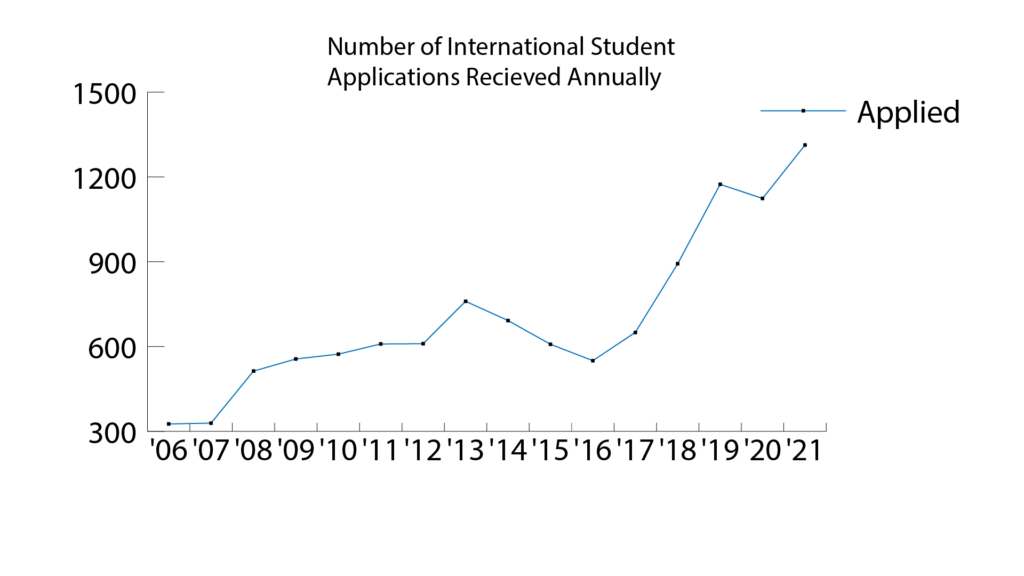
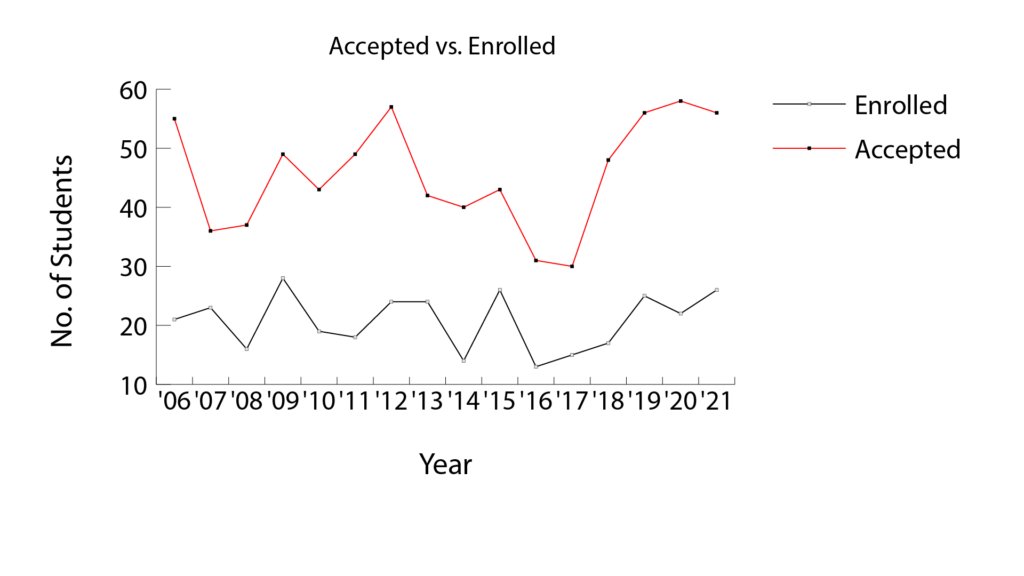
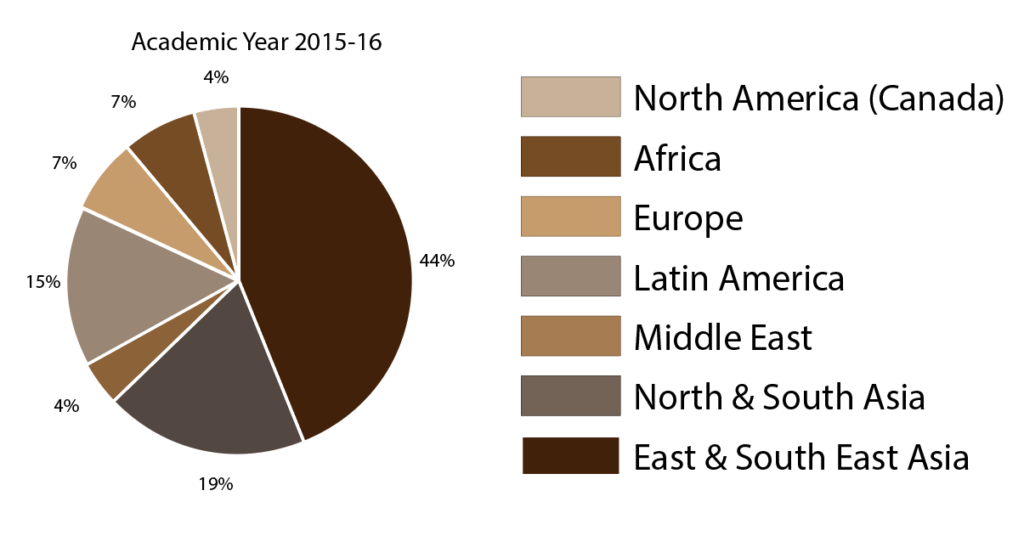
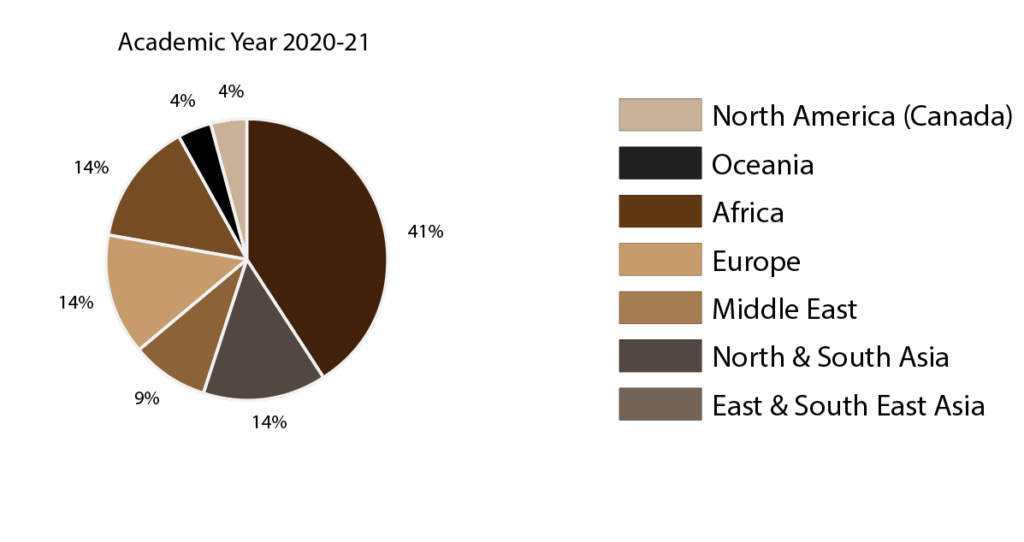
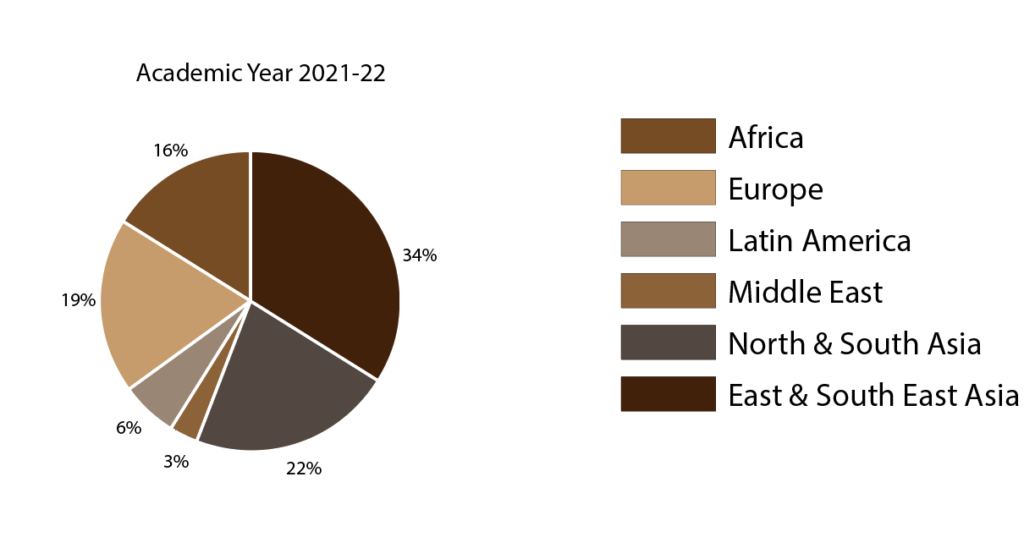
Data shows the university is accepting the same number of students it accepted 15 years ago, however, individuals represent more countries today.
“The admissions has dubbed it our UN approach to US education,” said the Admissions Associate for International Recruitment Nicole M. Hawkins.
Through the intake of individuals from underrepresented countries on campus, the approach intends to rapidly diversify the student body.
The technique, Hawkins believes, fits W&L’s statement of diversity.
We are committed to the recruitment, enrichment, and retention of students, faculty, and staff who embody many experiences, cultures, points of view, interests, and identities.
This is most concurrent in the current year’s freshmen class. The international student body represents over 20 countries.
The Office of Admissions, Hawkins said, makes a conscious effort to maintain the number of students from each region.
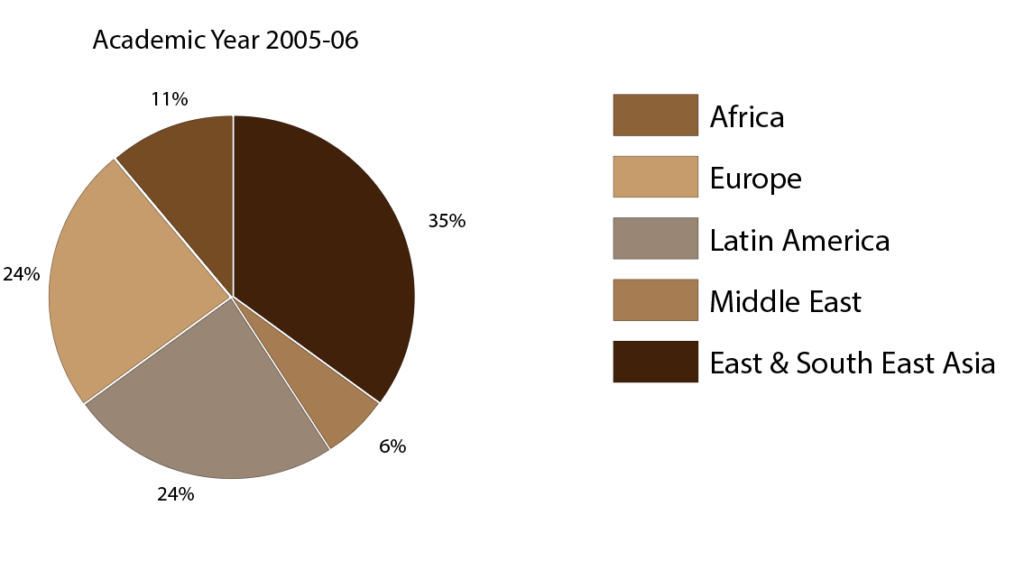
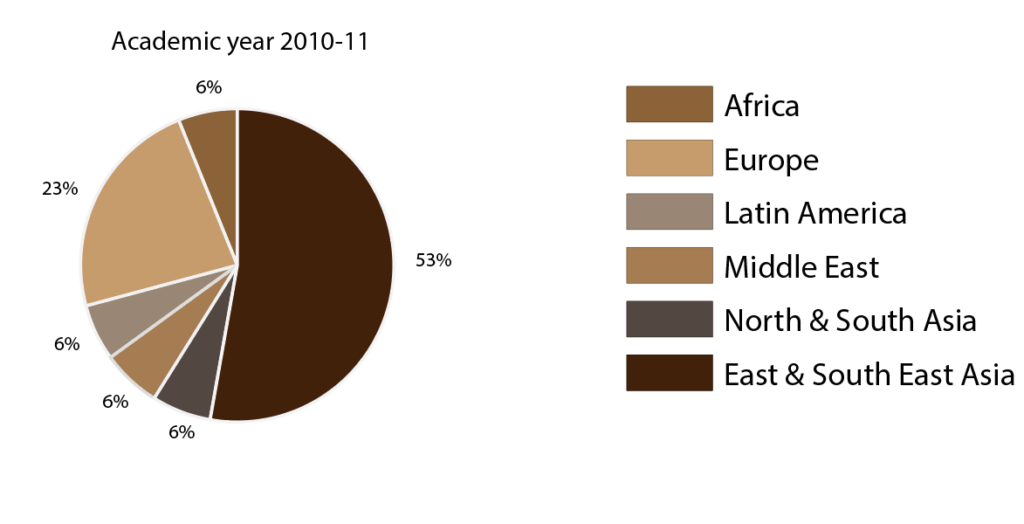
However, some international students seem unimpressed by the university’s recruitment method.
“A lot of international students are from South or East Asian countries,” said Eman Muamar, a junior from Palestine. “Increasing the number of international students means we can have more people from areas like the Middle East without having to worry about maintaining numbers”
Why aren’t more international students being accepted?
The admissions office points out that although increasing diversity is an essential motto for the university, it all comes down to the overall strength of the application.
“If W&L continues to see an increase in the number of impressive international applicants, then the numbers of international students at W&L are likely to grow,” said the Associate Director of Center for International Education, Hunter Swanson.
Although Muamur agrees that having an application meeting the university’s requirements is necessary for acceptance, she feels the current system does not promote equal and fair opportunity for many.
“If [the university] is trying to be more diverse, they should have the same acceptance rate for international students and domestic students,” Muamar said.
In 2021, the domestic student acceptance rate was five times higher than the international student acceptance rate.
So, how is the university diversifying?
International students comprised 5.5% of the total undergraduate population in the 2021-22 academic year; more than 1% increase from the previous year at 4.3%.
In 2017, this percentage was at its lowest. Only 3.6% of the student body was from abroad.

“From year to year, [international student enrolment] is going to depend on different variables…pandemic, the way the government was, the past administration,” Hawkins said.
The graph indicates that the university’s international student population has remained constant with little growth in the past few years. However, the 2022-23 undergraduate admissions saw the largest increase in international students. The rate went up by over 50%. Reasons behind this change remain unknown.
The university is also diversifying in other forms.
Domestic students of color have doubled in the past few years. Most growth can be seen in students identifying as Hispanic.
Looking forward
University officials agree that increasing the international student population helps the rest of the student body become active citizens in the increasingly globalized world.
“We want the campus to have a diversity which reflects our commitment to our global constituency,” said Mark Rush, Director for International Education.
In new and developing efforts, university admissions hopes to increase the international student population to represent 10% of the student body.