By Archita Aggarwal
LEXINGTON, Va. — In efforts to increase awareness about harassment and sexual misconduct, Washington and Lee University has developed a sexual misconduct advocate position to provide trauma centred support.
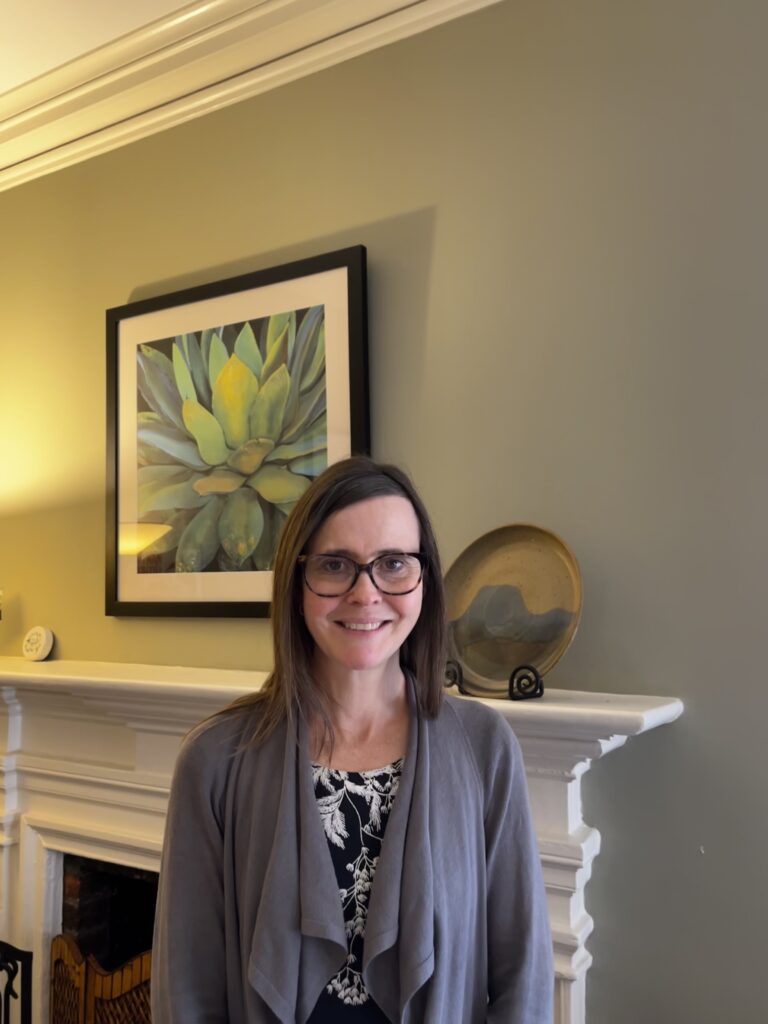
Janet Boller, a licensed clinical psychologist at the University, has taken up the role.
“The advocate is there to support and believe a complainant who comes forward,” Boller said. “Rather than having to be impartial.”
The new role enables Boller to guide and emotionally support a student, which legally the Title IX coordinator, Lauren Kozak, cannot do.
When a complainant files a report, their initial meeting with Kozak is centered around the discussion of the availability of supportive measures and the option to file a formal complaint.
“The process can be difficult and hard,” Kozak said, referring to the emotional distress that comes with filing a formal complaint.
The Dean of Diversity, Inclusion, and Student Engagement, Tamara Futrell believes Boller is a valuable resource for students to have in navigating the process of reporting a misconduct as well as addressing any concerns.
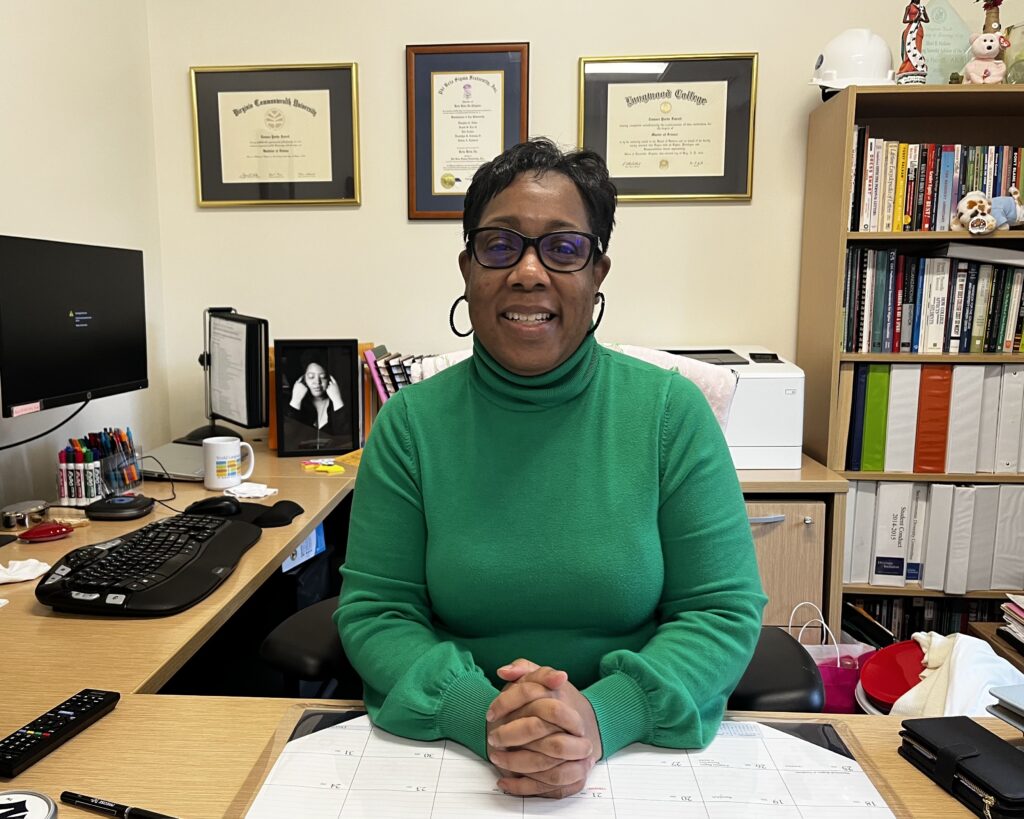
“Hopefully we won’t need her because [sexual misconducts] won’t arise but in the case that we do, we have her,” Futrell said. “Lauren Kozak and Janet Boller are a dynamic duo in terms of the skill base and knowledge that they have.
Boller’s new role formed as the university felt that a more nuanced position might encourage reporting and helping students deal with traumatic experiences.
Previously students have shared various reasons in declining to report an incident or withdrawing a complaint. While some fear the repercussions of the respondent knowing their identity, others feel the process is rather extensive and time consuming.
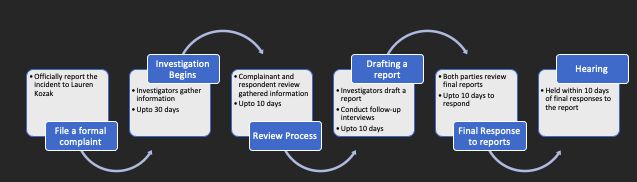
Final decisions of a formal sexual misconduct complaint can take up to two months and aren’t necessarily in favor of the victim.
“There is no guarantee that the result in the end will be what someone wants,” Kozak said. “At the end, [the Harassment and Sexual Misconduct Panel] is having to determine if there is enough evidence to reach the stage of proof.”
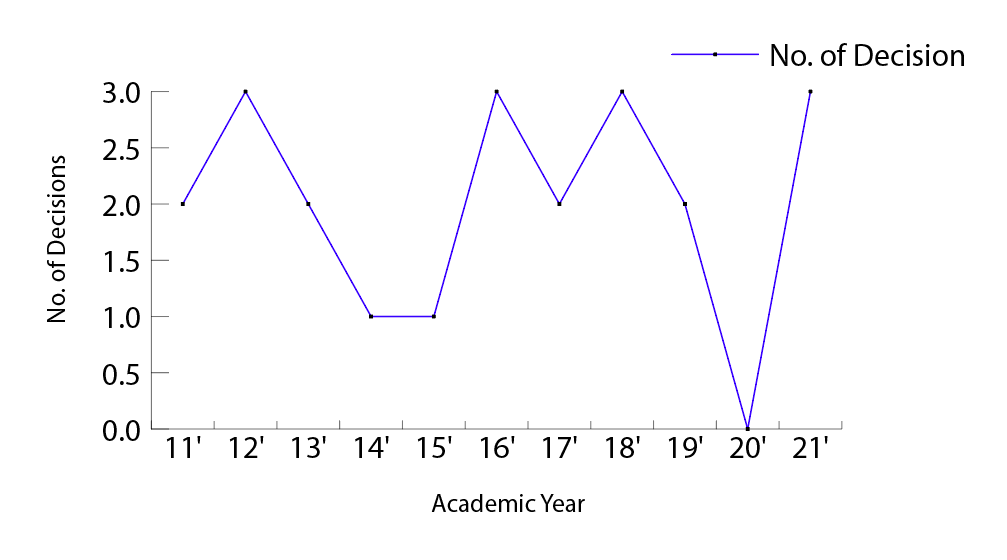
The low number of reported cases or annual HSMB decisions do not connote to fewer sexual misconducts taking place within the student body.
With lesser people willing to report incidents, Kozak not only wants to build more supportive measures, but also spread awareness about the distinction between filing a formal complaint and reporting a misconduct.
“A report does not automatically mean proceeding with a formal process. People can report and remain confidential and receive resources,” Kozak said.
While most faculty and staff on campus are mandatory reporters of misconduct brought to their attention, the university counselling center and the sexual misconduct advocate are some of the confidential resources available to students.
However, exceptions to the confidentiality agreement include intention of harm to another person.
“We are by law and ethically allowed to share [information about future harm],” Boller said. “Not in a widespread way but to share it with the appropriate people.”
Despite an increasing number of resources available to discuss incidents of sexual misconduct, the university’s endeavor is to prevent such happenings from occurring.
Student organizations such as the Gender Action Group (GAG) are committed to attaining this goal. Although GAG mainly focuses on educating the community on issues of gender equity, it also partners with other student groups to promote sex education.
“Sexual education can be seen as a form of prevention for sexual violence,” said GAG’s president and a university senior, Payson Richardson.
However, the student body isn’t necessarily aware of all the initiatives focused on reducing sexual misconduct. Futrell hopes to change this by not only adding Boller’s new role to the university’s inclusion and engagement website but also helping spread the word through student leaders.
“[Increasing resource awareness] should be a multi part approach. It should not be all on Dr. Boller or the counselling centre or the title IX office,” Futrell said.